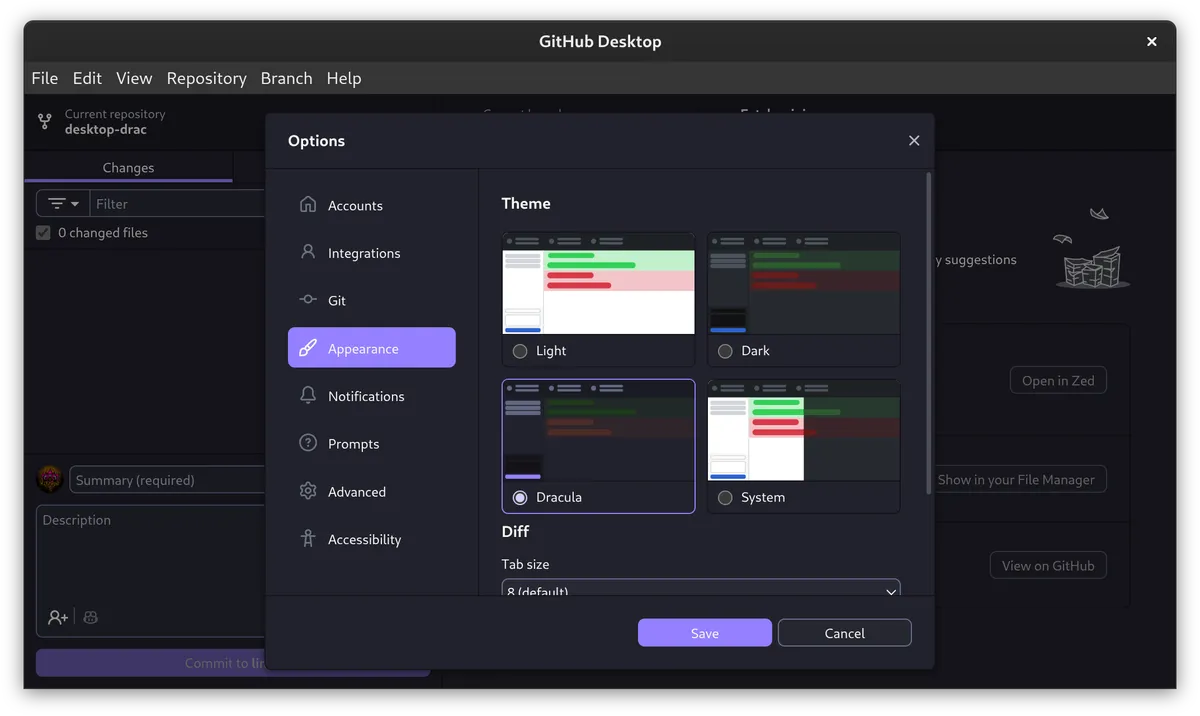
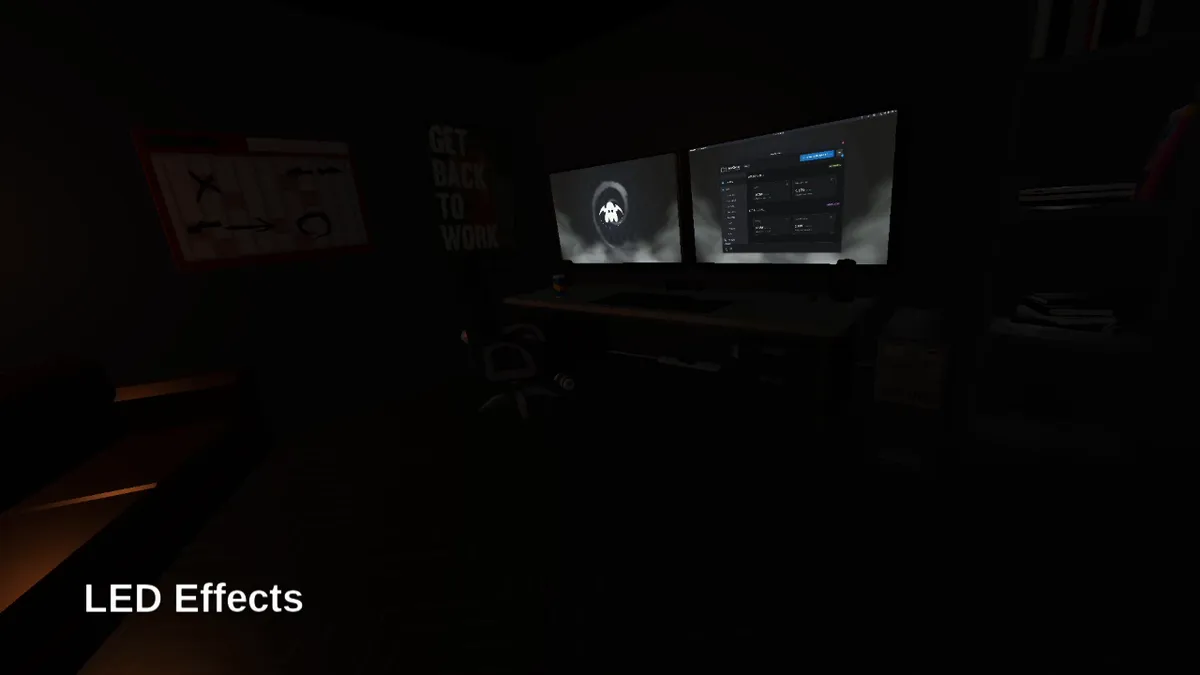
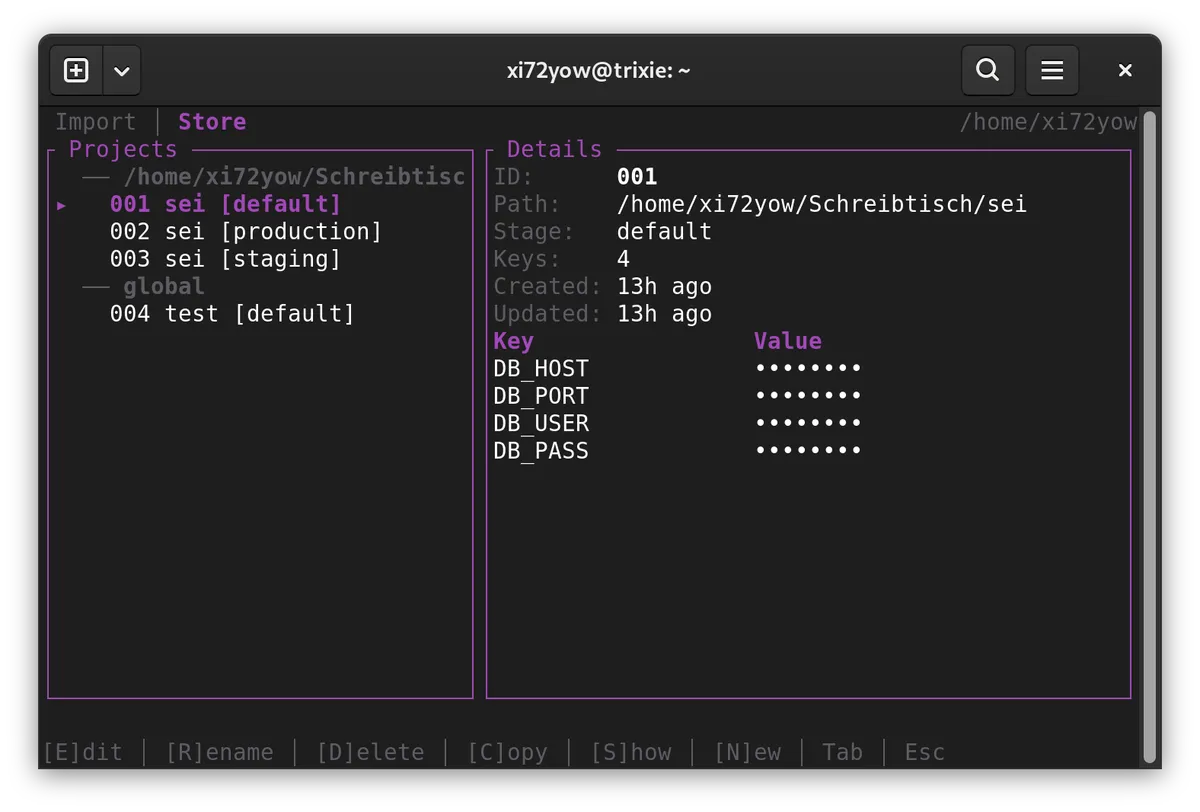
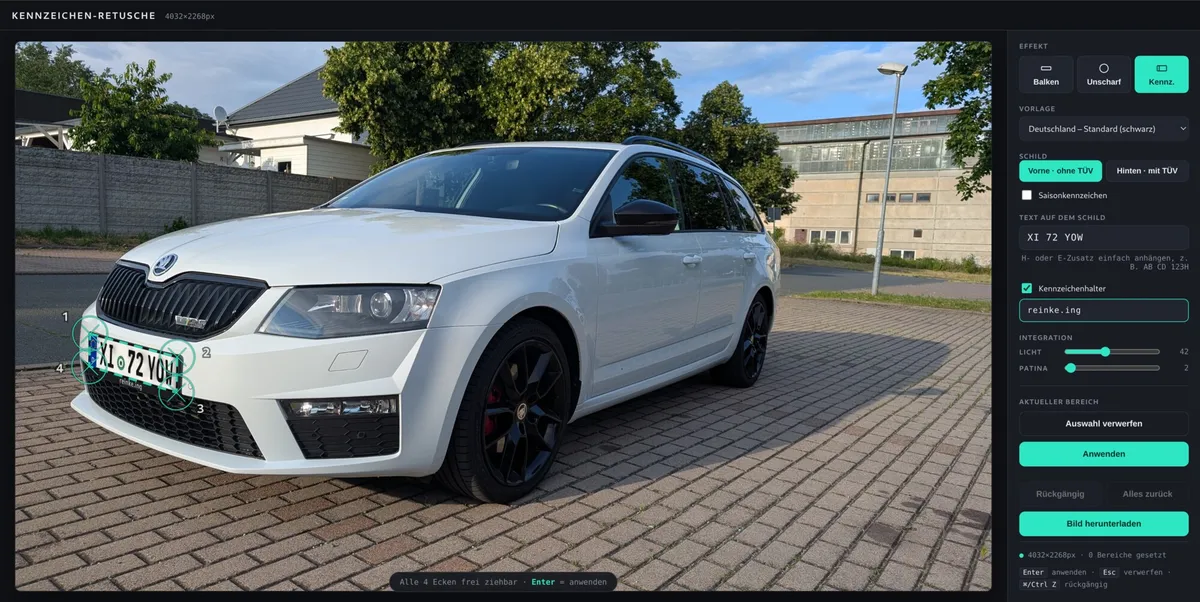
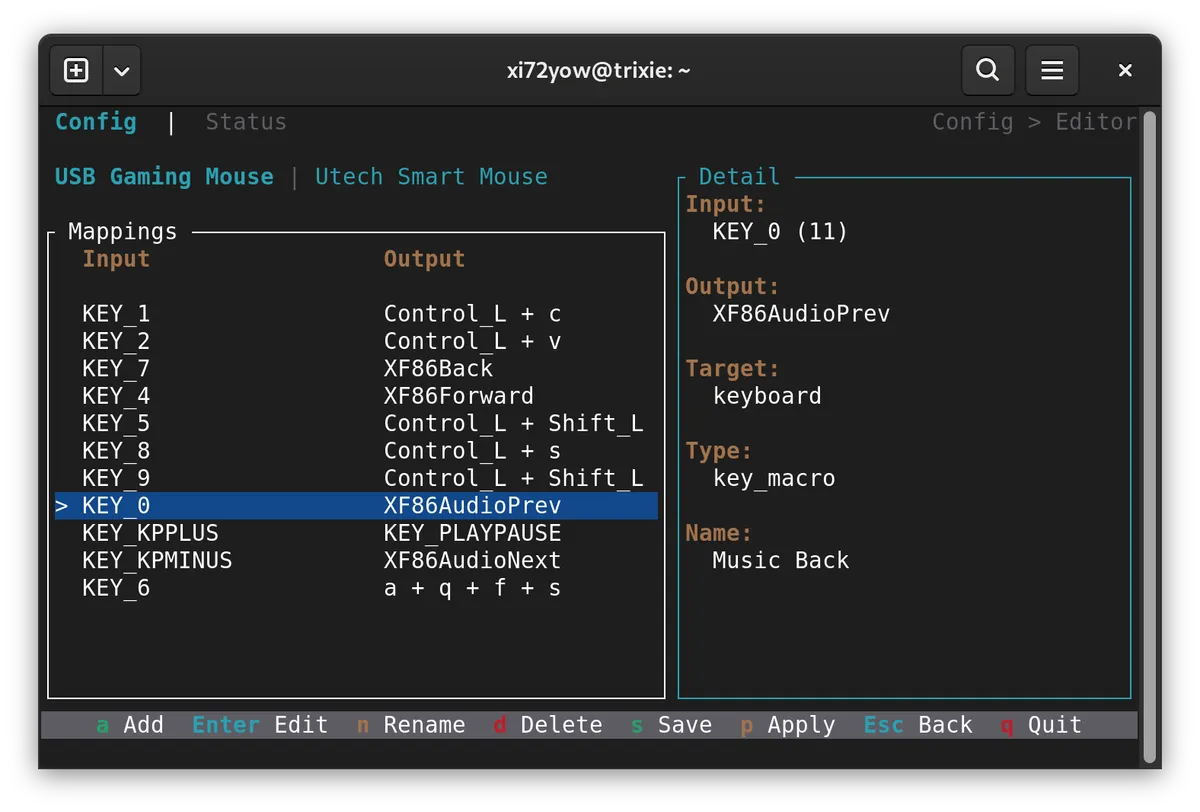
Maximilian Reinke develops tools and applications with a focus on privacy, system-level functionality, and user-centric workflows. His projects include a browser-based image processing tool for anonymizing license plates, a Linux-specific fork of GitHub Desktop tailored for a custom distribution, and utilities for input remapping, secure environment variable management, and bias lighting for Linux systems. These projects often emphasize local processing, platform-specific optimizations, and seamless integration with existing workflows.
In his technical approach, Maximilian employs a diverse set of programming languages and tools, including Rust, Python, TypeScript, and WGSL. His work frequently involves low-level system programming, GPU-accelerated computations, and terminal-based user interfaces. He leverages technologies such as evdev, uinput, systemd, and wgpu to build efficient and maintainable solutions. Dockerfiles and shell scripting are also part of his toolkit for managing development environments and deployment processes.
Maximilian Reinke entwickelt Tools und Anwendungen mit einem Schwerpunkt auf Datenschutz, systemnaher Funktionalität und benutzerzentrierten Workflows. Zu seinen Projekten gehören ein browserbasiertes Bildbearbeitungstool zur Anonymisierung von Kennzeichen, ein Linux-spezifischer Fork von GitHub Desktop für eine angepasste Distribution sowie Werkzeuge zur Eingabeneuverknüpfung, sicheren Verwaltung von Umgebungsvariablen und Bias-Beleuchtung für Linux-Systeme. Diese Projekte legen oft Wert auf lokale Verarbeitung, plattformspezifische Optimierungen und nahtlose Integration in bestehende Workflows.
In seiner technischen Herangehensweise verwendet Maximilian eine Vielzahl von Programmiersprachen und Werkzeugen, darunter Rust, Python, TypeScript und WGSL. Seine Arbeit umfasst häufig systemnahe Programmierung, GPU-beschleunigte Berechnungen und terminalbasierte Benutzeroberflächen. Er nutzt Technologien wie evdev, uinput, systemd und wgpu, um effiziente und wartbare Lösungen zu entwickeln. Dockerfiles und Shell-Skripte gehören ebenfalls zu seinem Werkzeugkasten für die Verwaltung von Entwicklungsumgebungen und Bereitstellungsprozessen.